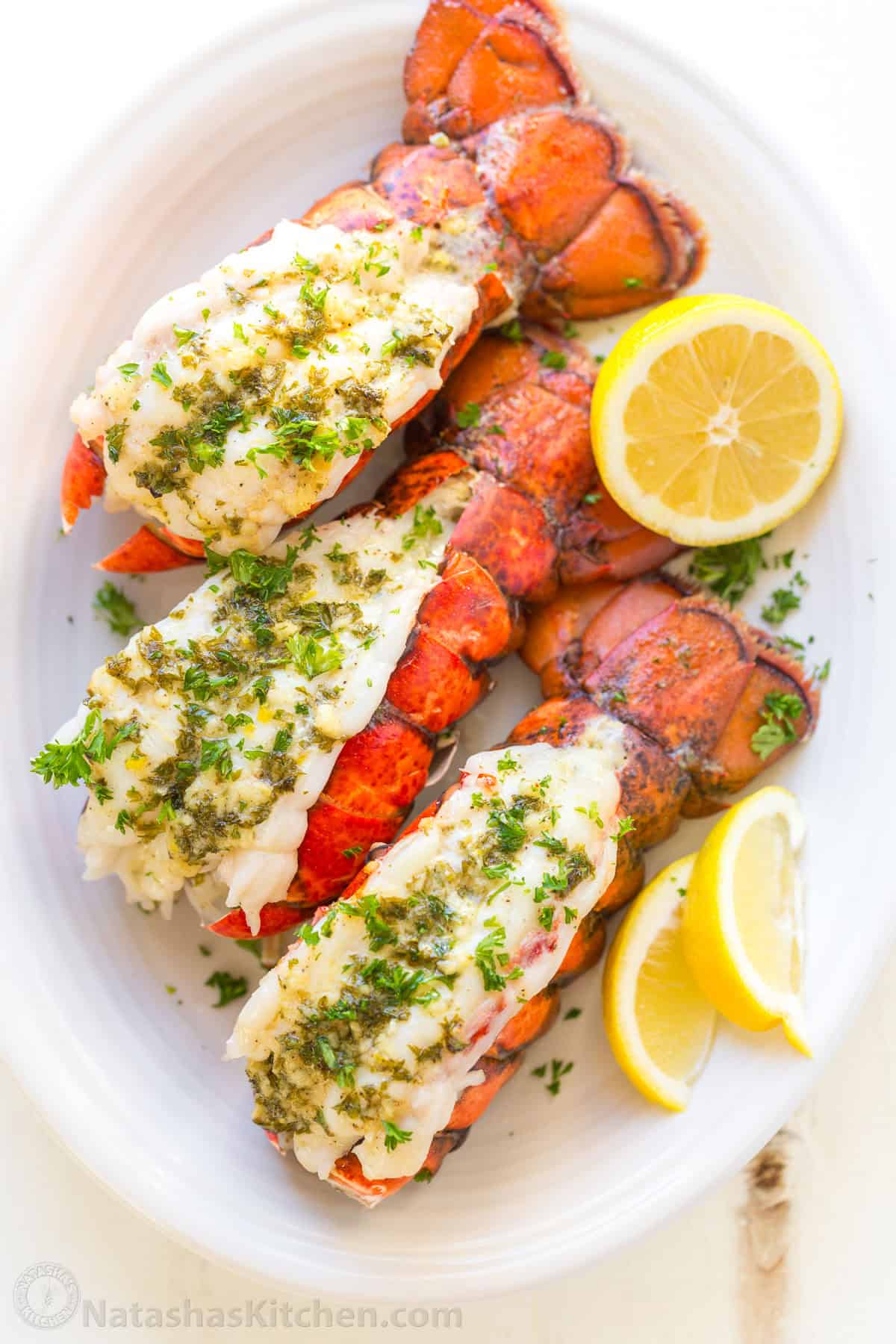
Restaurant-Quality Buttered Lobster Tails: Searing for Juiciness
Imagine a dish so elegant, so tender, and so utterly bursting with flavor that it transports you straight to a high-end seafood restaurant. Now, imagine creating that very same culinary masterpiece in your own kitchen with surprising ease. This isn't a fantasy – it's the reality when you master the art of searing easy garlic butter lobster tails. Forget the bland, rubbery results of over-boiled or steamed lobster; our focus is on a technique that locks in natural sweetness and infuses every bite with the rich, aromatic goodness of butter, lemon, and garlic. Cooking lobster tails doesn't have to be an intimidating affair reserved for special occasions. While the idea of preparing whole lobster might seem labor-intensive, focusing on just the tails streamlines the process dramatically. By choosing searing as your primary cooking method, you unlock a superior flavor and texture profile that distinguishes truly exceptional buttered lobster tails. This method delivers golden, tender meat that feels luxurious enough for a date night, yet is entirely achievable on a busy weeknight. Get ready to impress yourself and your guests, because once you experience these succulent seared lobster tails, you might just discover your inner seafood chef.The Secret to Succulent Buttered Lobster Tails: Searing, Not Steaming
The biggest revelation for many home cooks making lobster is understanding why searing is a game-changer compared to traditional boiling or steaming. While boiling and steaming are common, they often dilute the lobster's delicate flavor and can easily lead to an overcooked, rubbery texture. The meat absorbs excess water, becoming less concentrated in taste and often losing its inherent sweetness. Searing, on the other hand, employs high heat and a rich fat medium (butter and oil) to create a beautiful golden-brown crust on the exterior of the lobster meat. This quick, intense cooking process seals in the natural moisture and juices, preventing them from escaping. The butter doesn't just add flavor; it caramelizes slightly, creating a rich, nutty aroma that enhances the lobster's sweetness. This technique, often favored by professional chefs, allows for precise control over doneness, ensuring the meat remains tender and succulent on the inside while developing an irresistible texture on the outside. It's how you achieve that coveted "restaurant quality" without leaving your home, offering a clear advantage over other methods. For a deeper dive into preparation methods, consider reading Master Tender Lobster Tails: Searing vs. Boiling for Flavor. When selecting your lobster tails, remember that cold-water lobsters (like those from the Atlantic) are generally prized for their superior meat quality, characterized by a firm, sweet flesh that cooks up beautifully. Warm-water lobsters, often spiny and clawless, can also be used but may have a slightly different texture. Regardless of origin, fresh or properly thawed tails are key to achieving the best results.Crafting Your Perfect Buttered Lobster Tails: Essential Ingredients & Their Roles
The beauty of these buttered lobster tails lies in the simplicity of its ingredient list, where each component plays a crucial role in building layers of rich, balanced flavor. It’s a testament to how quality ingredients, handled with care, can transform a dish.The Star: High-Quality Lobster Tails
The foundation of your dish, lobster tails, should be either fresh or completely thawed. For frozen tails, the safest and best method is to thaw them overnight in the refrigerator. If you're short on time, a cold water bath (with the tails still in their packaging) can speed up the process. Once thawed, proper preparation is key for searing: carefully butterfly the tails by cutting down the center of the top shell with kitchen shears, stopping before the tail fin. Gently pull the meat up and out, resting it on top of the shell. Be sure to remove any visible dark vein, then pat the meat thoroughly dry with paper towels. This crucial step removes excess moisture, ensuring a proper sear and preventing steaming.The Flavor Foundation: Unsalted Butter & Quality Oil
Unsalted butter is essential here. It allows you to control the overall saltiness of your dish, providing a pure, rich flavor and contributing to that beautiful golden-brown crust. However, butter alone has a low smoke point and can burn quickly under high heat. This is where a neutral, high-smoke-point oil like avocado oil or grapeseed oil comes in. A splash of oil mixed with the butter elevates the smoke point of the fat blend, preventing the butter from browning too quickly while still allowing you to achieve that luscious, golden sear on the lobster meat.The Brightness & Depth: Fresh Lemon & Aromatic Garlic
Fresh lemon juice is non-negotiable. Its vibrant acidity cuts through the richness of the butter, preventing the dish from feeling too heavy. It brightens the flavor profile, awakening and enhancing the natural sweetness of the lobster. Always opt for freshly squeezed lemon juice over bottled for superior taste. Minced or thinly sliced garlic adds a foundational warmth and aromatic depth that is a classic and unbeatable pairing with both butter and seafood. The garlic infuses the butter as it cooks, imparting its fragrant essence directly into the lobster meat.Seasoning & Beyond
Beyond these core components, simple salt and freshly ground black pepper are all you need to perfectly season your buttered lobster tails. Remember to taste as you go and adjust seasoning as necessary, particularly after adding lemon juice.Mastering the Sear: Step-by-Step for Juicy Buttered Lobster Tails
Achieving perfectly seared buttered lobster tails is quicker and simpler than you might think. With a few key steps and a watchful eye, you’ll be serving tender, juicy lobster in minutes.- Prepare the Lobster Tails: As mentioned, butterfly your thawed lobster tails and gently pull the meat up to sit on top of the shell. This exposes more surface area for searing and ensures even cooking. Most importantly, pat the lobster meat completely dry with paper towels. This removes surface moisture, which is critical for achieving a beautiful sear rather than a steam.
- Heat Your Pan: Choose a heavy-bottomed pan, such as cast iron or stainless steel, and place it over medium-high heat. Allow it to heat thoroughly for 2-3 minutes. A properly preheated pan is vital for an effective sear.
- Add Fats and Aromatics: Add a tablespoon of your chosen oil to the hot pan, followed by 2-3 tablespoons of unsalted butter. Allow the butter to melt and foam. Once the foam subsides and the butter is just beginning to brown slightly (developing a nutty aroma), add 2-3 cloves of minced garlic. Sauté the garlic for about 30 seconds until fragrant, being careful not to burn it. If you're adding a pinch of chili flakes for a gentle heat, add them now.
- Sear the Lobster: Place the butterflied lobster tails flesh-side down into the hot pan. You should hear a satisfying sizzle. Sear for approximately 2-3 minutes until the meat turns opaque and develops a beautiful golden-brown crust.
- Flip and Finish: Flip the lobster tails over, so they are now shell-side down. Continue to cook for another 2-4 minutes, or until the lobster meat is opaque throughout and has reached an internal temperature of 140-145°F (60-63°C). The shells will turn a vibrant red. Avoid overcooking, as this is the primary cause of rubbery lobster.
- Deglaze and Season: Just before removing from heat, squeeze a generous amount of fresh lemon juice directly into the pan. Swirl it around with the butter and garlic, allowing it to deglaze any flavorful bits from the bottom of the pan. Season with salt and freshly ground black pepper to taste.
- Rest and Serve: Transfer the buttered lobster tails to a plate and let them rest for 1-2 minutes. This allows the juices to redistribute, ensuring maximum tenderness.
Pro Tip: Do not overcrowd the pan. If you're cooking multiple tails, sear them in batches to maintain high heat and ensure proper browning. Overcrowding lowers the pan temperature, leading to steaming instead of searing.
Elevating Your Buttered Lobster Tails: Creative Variations & Serving Suggestions
Simple Swaps & Flavor Boosts
- Fresh Herbs Over The Top: A sprinkle of finely chopped fresh parsley, chives, or dill just before serving adds a burst of freshness, a lovely aroma, and a pop of color. Parsley offers a clean, peppery note, dill provides a delicate anise-like flavor, and chives contribute a mild oniony zest.
- Dedicated Garlic Butter Dipping Sauce: For those who love extra sauce, melt additional butter with more minced garlic and a squeeze of lemon juice in a separate small saucepan. This warm, aromatic sauce can be served alongside for dipping, allowing everyone to customize their level of richness.
- A Gentle Spicy Kick: If you enjoy a hint of heat that plays off the lobster's sweetness, add a small pinch of red pepper flakes to the pan along with the garlic. For a more pronounced spice, a dash of cayenne pepper can be incorporated into the butter.
- White Wine Deglaze: After searing the lobster tails and just before adding the lemon juice, pour in a splash (about ¼ cup) of dry white wine (like Pinot Grigio or Sauvignon Blanc). Allow it to bubble and reduce slightly, scraping up any browned bits from the bottom of the pan. This adds an extra layer of sophisticated flavor.
- Smoked Paprika: A small pinch of smoked paprika can lend a subtle, earthy smokiness and a beautiful reddish hue to the butter sauce, complementing the lobster's natural taste.
Perfect Pairings & Presentation
These exquisite buttered lobster tails deserve equally thoughtful accompaniments. For a classic, elegant meal, consider serving them alongside:
- Creamy mashed potatoes or a delicate risotto to soak up the luxurious butter sauce.
- Steamed asparagus, green beans, or a crisp garden salad to provide a fresh, contrasting element.
- A light pasta dish, allowing the lobster and its sauce to be the star, perhaps a simple aglio e olio.
- For drinks, a crisp, dry white wine like a Sauvignon Blanc or an unoaked Chardonnay perfectly complements the richness of the lobster.
Presentation matters too! Serve the lobster tails on warm plates, perhaps fanned out slightly, drizzled with the pan sauce, and garnished generously with fresh herbs. This elevates the experience, making every plate look as appealing as it tastes.
