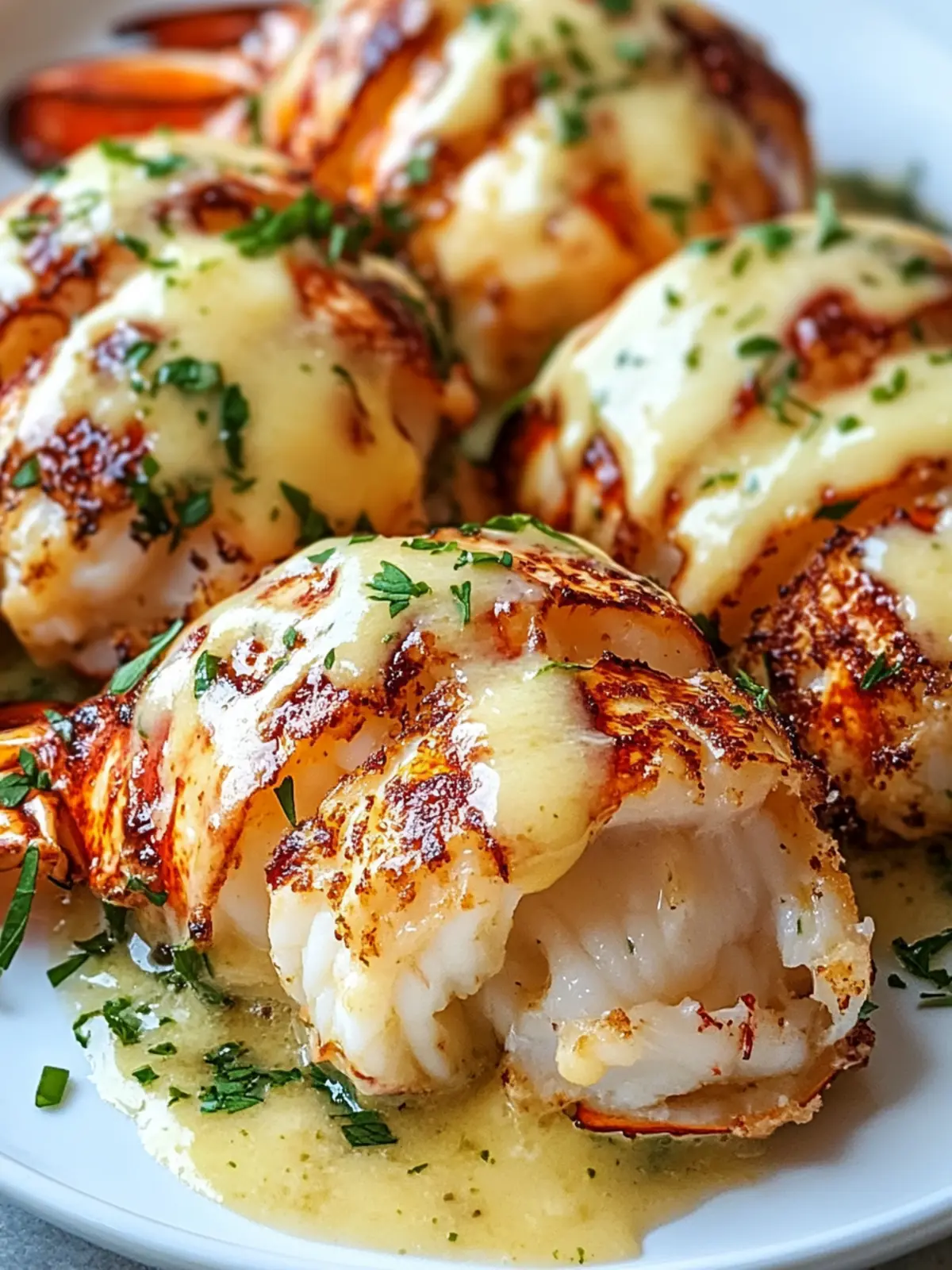
Master Tender Lobster Tails: Searing vs. Boiling for Flavor
For many home cooks, the idea of preparing lobster tails can feel like a daunting task, often reserved for high-end restaurants or special occasions. The truth is, cooking exquisite, tender lobster tails at home is not only achievable but surprisingly simple, especially when you move beyond traditional boiling or steaming. If you've ever wondered how to achieve that perfect restaurant-quality result, succulent and infused with rich flavor, the secret lies in choosing the right cooking method. While boiling often strips lobster of its natural sweetness and juiciness, techniques like searing and butter poaching elevate humble lobster tails into a truly decadent experience, perfect for crafting heavenly
buttered lobster tails.
The Case Against Boiling: Preserving the Delicate Flavor of Lobster
The default method for many when approaching shellfish is often boiling. While effective for cooking, boiling lobster tails in plain water has a significant drawback: it can dilute the lobster's delicate, natural flavor and moisture. The rapid, aggressive heat of boiling water can cause the proteins to seize up too quickly, leading to a tough, rubbery texture. Moreover, as the lobster cooks, its precious internal juices and flavors can leach out into the cooking water, leaving you with meat that is less vibrant and less sweet than it could be. For those aiming for truly flavorful and tender results, especially when making rich
buttered lobster tails, boiling simply doesn't allow the inherent richness of the lobster to shine through.
Mastering the Sizzle: Crafting Perfect Buttered Lobster Tails Through Searing
Searing lobster tails in a hot pan, bathed in a rich blend of butter, garlic, and lemon, is a game-changer. This method focuses on direct, controlled heat, creating a beautiful golden crust while locking in moisture and infusing every bite with incredible flavor. It’s the secret to achieving those coveted tender, juicy lobster tails that feel special enough for a date night but are totally doable on a weeknight.
Why Searing Reigns Supreme for Flavor and Texture
Searing works wonders because it creates a Maillard reaction on the surface of the lobster meat – that beautiful caramelization that develops irresistible flavor and a golden-brown finish. Unlike boiling, which cooks the lobster from the outside in with water, searing cooks with fat, directly infusing the meat with the rich tastes of butter, aromatic garlic, and bright lemon. This process seals the exterior quickly, trapping the lobster's natural juices inside, resulting in an exceptionally moist and tender texture. The result?
Buttered lobster tails that boast a delicate chew with an incredibly succulent interior, glistening with flavorful infused butter. For a deeper dive into this technique, check out our guide on
Restaurant-Quality Buttered Lobster Tails: Searing for Juiciness.
Essential Ingredients for Searing Success
Every ingredient in this method plays a crucial role in creating a rich and balanced experience:
*
Lobster Tails: The undisputed star. Opt for fresh or fully thawed cold-water lobster tails, typically from the North Atlantic (Maine, Canada). These are known for their firm texture and sweet meat. Warm-water lobsters (often from Florida or the Caribbean) tend to have a softer texture and can be slightly less sweet. Look for tails that are firm to the touch with no strong "fishy" odor. For even cooking and impressive presentation, you'll want to butterfly the tails – simply cut down the top of the shell with kitchen shears, stopping at the base, then gently pull the meat up through the opening and rest it on top of the shell.
*
Unsalted Butter: The foundation of flavor and the key to that golden sear. Unsalted butter allows you to control the seasoning precisely, preventing the dish from becoming overly salty. Its milk solids contribute to the browning, while the fat carries the flavors of garlic and lemon deep into the lobster.
*
Neutral Oil: A splash of oil, like grapeseed or avocado, is essential in the pan. Its higher smoke point helps prevent the butter from burning too quickly, ensuring you get that beautiful golden sear without a bitter taste.
*
Fresh Lemon Juice: A squeeze of fresh lemon acts as a counterbalance, brightening the richness of the butter and lifting the whole dish. It adds a zesty tang that perfectly complements the lobster's sweetness. Always use fresh; bottled lemon juice simply doesn't compare.
*
Fresh Garlic: Minced garlic adds warmth, aromatic depth, and a pungent sweetness that pairs exquisitely with both butter and lobster. Skip the pre-minced jarred garlic for this; fresh makes a world of difference.
Step-by-Step Searing Technique
1.
Prepare Your Lobster: Butterfly the thawed lobster tails as described above. Pat them thoroughly dry with paper towels; moisture hinders searing.
2.
Heat the Pan: Choose a heavy-bottomed skillet, such as cast iron or stainless steel. Heat it over medium-high heat until hot. Add a tablespoon of neutral oil, then a generous knob of unsalted butter.
3.
Sear the Lobster: Once the butter is melted and foamy, place the butterflied lobster tails flesh-side down in the pan. Cook for 2-3 minutes, until a beautiful golden-brown crust forms.
4.
Flip and Baste: Flip the tails over so they are shell-side down. Add the minced garlic and lemon juice to the pan. Reduce the heat to medium-low. Use a spoon to continuously baste the lobster meat with the melted garlic-lemon butter.
5.
Cook to Perfection: Continue basting for another 3-5 minutes, or until the lobster meat is opaque and firm, but still tender. The internal temperature should reach 140-145°F (60-63°C). Be careful not to overcook, as this is the primary cause of rubbery lobster.
The Art of Butter Poaching: Gentle Infusion for Unparalleled Sweetness
While searing offers a delightful crust, butter poaching presents another exceptional method for achieving incredibly tender and sweet
buttered lobster tails. This technique involves gently cooking the lobster meat in warm, infused butter, ensuring every fiber is bathed in rich flavor.
Understanding Butter Poaching
Butter poaching is less about browning and more about slow, gentle infusion. The lobster meat is submerged in a warm (not simmering or boiling) mixture of melted butter, often enhanced with white wine, garlic, and herbs. This low-and-slow approach allows the butter's richness to permeate the lobster without denaturing the proteins too quickly. The result is lobster meat that is exceptionally succulent, silky-smooth, and intensely flavorful – almost like it's been melted in your mouth.
Key Components for Poached Perfection
*
Butter, Butter, Butter: Again, high-quality unsalted butter is paramount. The butter itself becomes part of the dish, creating a luxurious sauce that coats every piece of lobster.
*
Flavorful Liquid: While just butter works, incorporating a splash of dry white wine (like Sauvignon Blanc or Pinot Grigio), a delicate chicken broth, or even a touch of clam juice can add layers of complexity to the poaching liquid.
*
Aromatics and Herbs: Garlic cloves (sliced or gently crushed), sprigs of fresh thyme or rosemary, and fresh lemon zest can infuse the poaching butter with incredible aroma. Fresh dill or parsley sprinkled at the end adds a bright finish.
*
Lobster Preparation: For poaching, you can either butterfly the tails as for searing, or you can carefully remove the raw meat entirely from the shells, which allows for more direct contact with the poaching liquid and an even more delicate texture.
Poaching Method and Tips
1.
Prepare Poaching Liquid: In a saucepan or small skillet, melt a generous amount of butter (enough to mostly submerge your lobster) with your chosen liquid (wine, broth), garlic, and herbs.
2.
Maintain Low Heat: The key to poaching is gentle heat. Keep the liquid at a very low simmer, almost a bare whisper. You should see tiny bubbles, but never a rolling boil. The temperature should ideally be between 160-180°F (71-82°C).
3.
Poach the Lobster: Carefully add the prepared lobster meat to the warm butter. Poach for 5-8 minutes, depending on the size and thickness of the lobster, gently turning occasionally.
4.
Check Doneness: The lobster meat will turn opaque and firm. Again, avoid overcooking. Remove it from the butter as soon as it's done.
5.
Serve with the Sauce: The leftover butter from poaching is liquid gold. Drizzle it generously over the finished lobster, perhaps with a final squeeze of fresh lemon and a sprinkle of fresh herbs. This technique is so simple it's perfect for a spontaneous gourmet meal. For more approachable ideas, see our
Easy Garlic Butter Lobster Tails: Weeknight Feast or Date Night? article.
Beyond the Basics: Tips for Elevating Your Lobster Experience
Once you've mastered searing or poaching, there are countless ways to enhance your homemade lobster feast:
*
Serving Suggestions: Serve your tender
buttered lobster tails with complementary sides. Creamy risotto, garlicky asparagus, a simple green salad, or crusty sourdough bread for dipping in the leftover butter are all excellent choices.
*
Garnish: A sprinkle of finely chopped fresh parsley, chives, or dill adds color and a burst of freshness. A lemon wedge on the side is a must.
*
Spice It Up: For a gentle kick, add a tiny pinch of red pepper flakes to the pan with the garlic during searing, or into the poaching butter.
*
Make Extra Sauce: Don't let any of that incredible garlic-lemon butter go to waste! Melt a little extra butter with garlic and lemon to serve alongside for dipping.
*
Wine Pairing: Crisp, unoaked white wines like Sauvignon Blanc, Pinot Grigio, or a light Chardonnay are ideal companions for lobster, cutting through the richness beautifully.
Whichever method you choose, moving beyond boiling will transform your perception of cooking lobster at home. Searing and butter poaching not only protect the delicate texture and inherent sweetness of the lobster but also infuse it with incredible flavors, creating truly unforgettable
buttered lobster tails every time. So, ditch the boiling pot, embrace the pan, and unlock your inner seafood chef!